Filip Kiedrowski Yorkshire UK
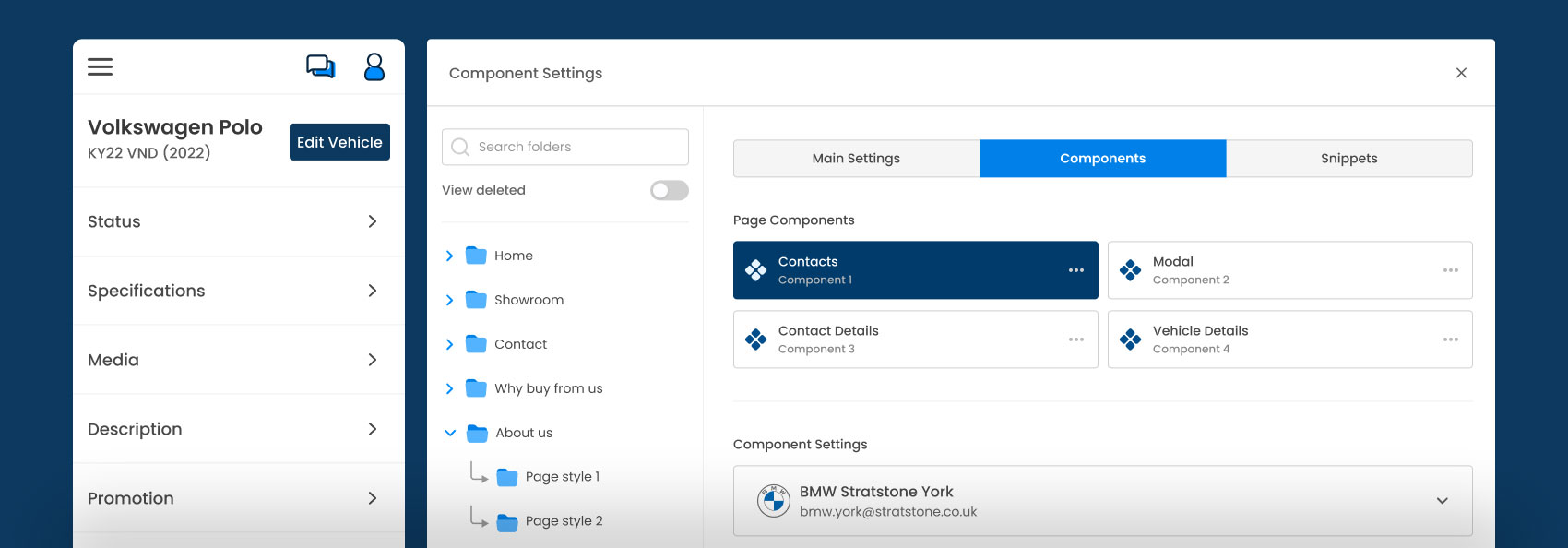

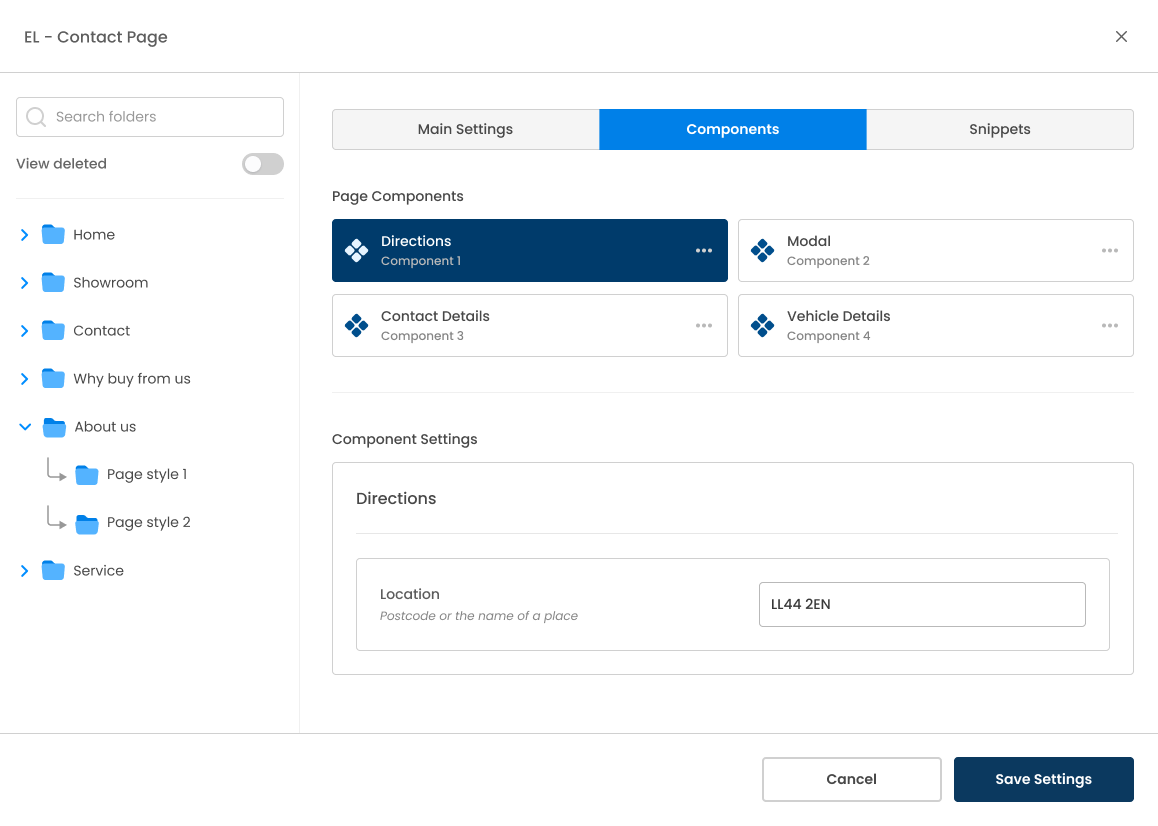
Engine is a monolithic platform designed specifically for the automotive industry. Within the platform, users can efficiently manage their vehicles and have the ability to modify all associated vehicle data. The available stock is displayed through a website built using an integrated website builder. With engine dealers have full control over the entire dealership organisation, and can manage multiple locations and departments. The platform allows users to distribute their inventory to prominent platforms such as AutoTrader, Autoweb.co.uk, eBay, or Facebook, ensuring effective advertisement and wider reach.
In my role as the lead designer, I closely collaborated with stakeholders, the product team, engineers, and clients to establish clear goals and validate conceptual ideas. My ultimate objective for this project was to develop the best possible platform that exceeds the expectations of both our new and existing clients.
The project was initiated with the purpose of replacing Autoweb’s legacy platform, which has been in use and development for the past 15 years. The existing system, built on outdated technology, has become increasingly challenging to manage both in terms of usability and technical capabilities. It was time to invent something new!
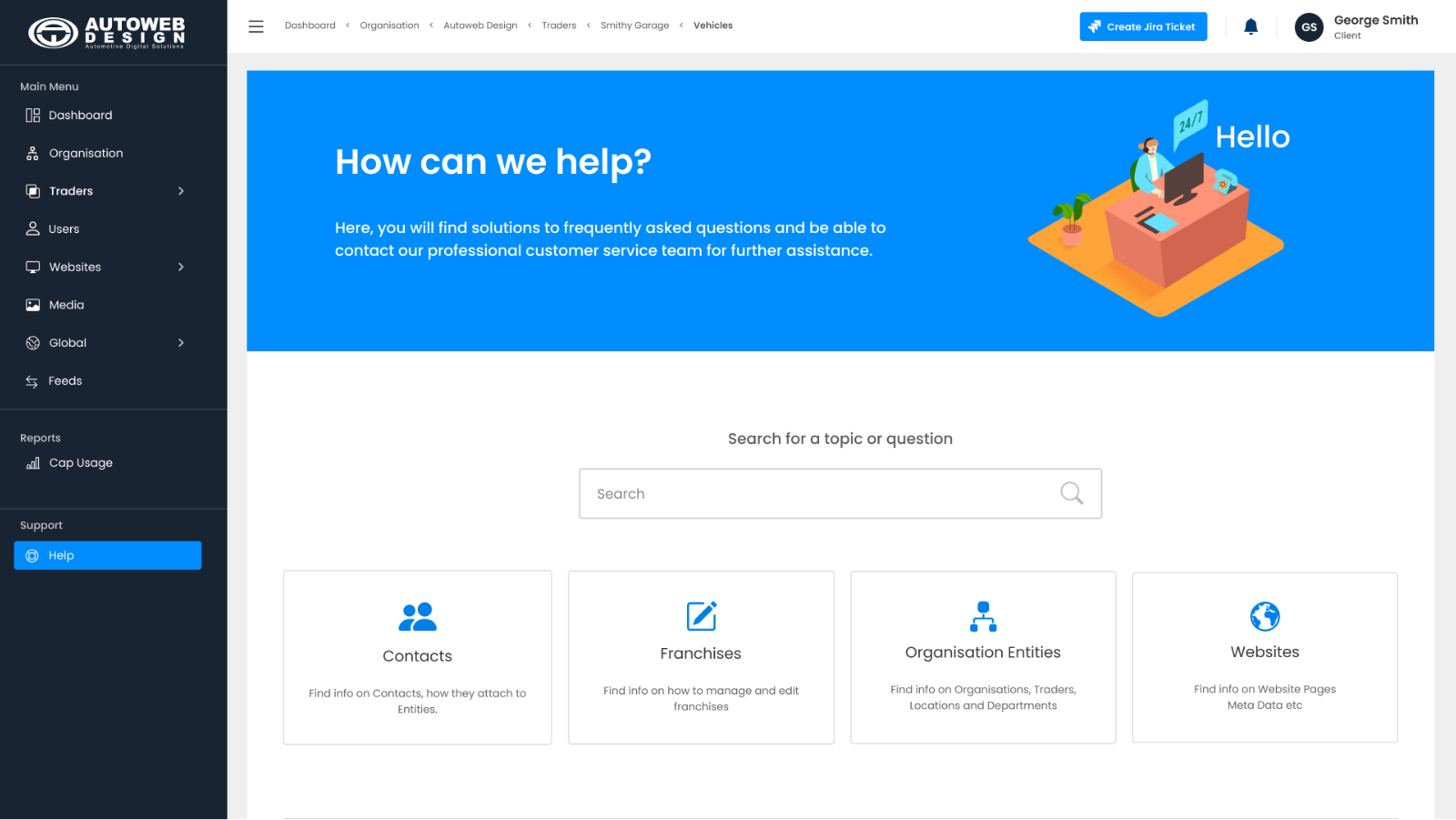
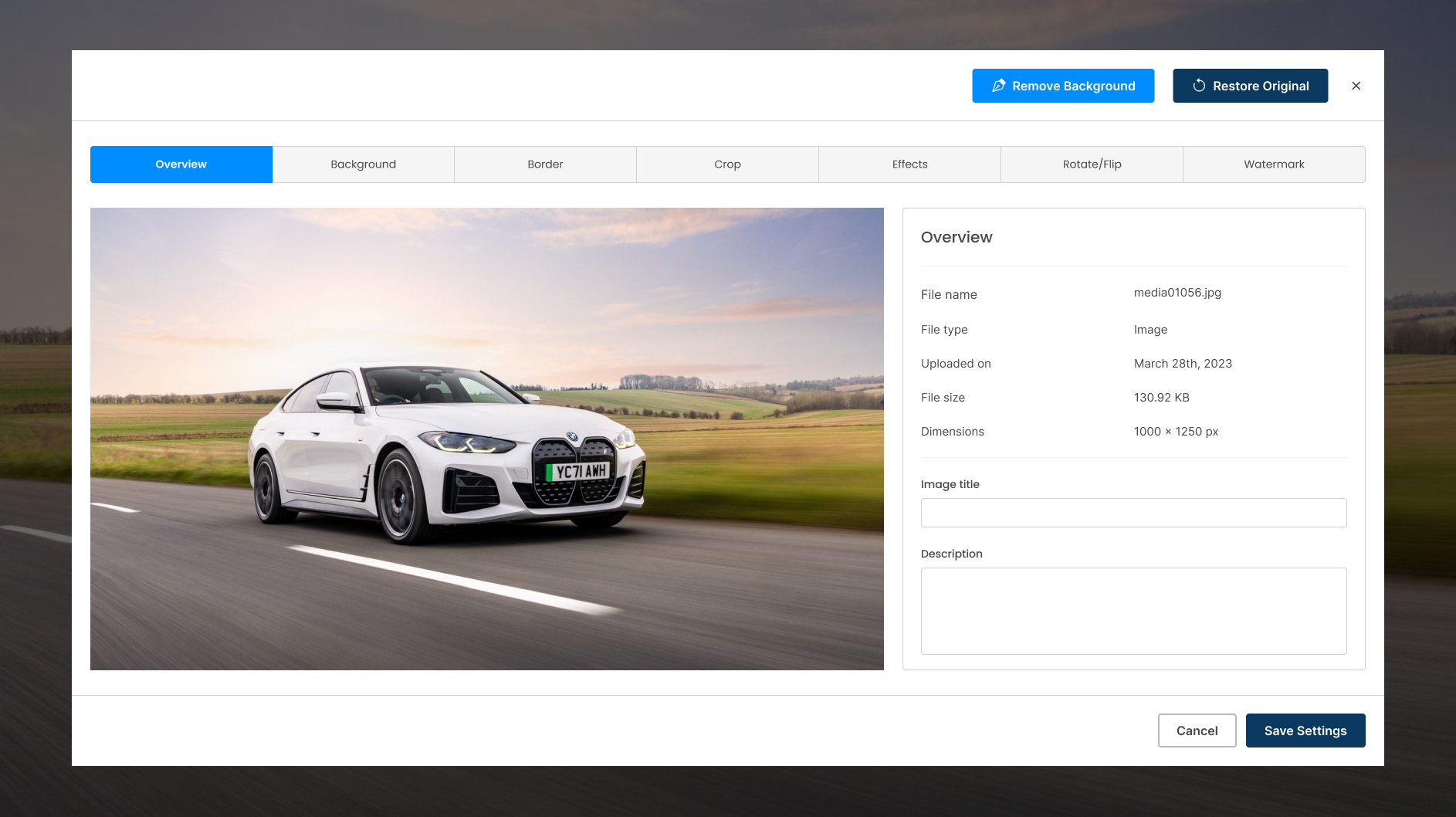
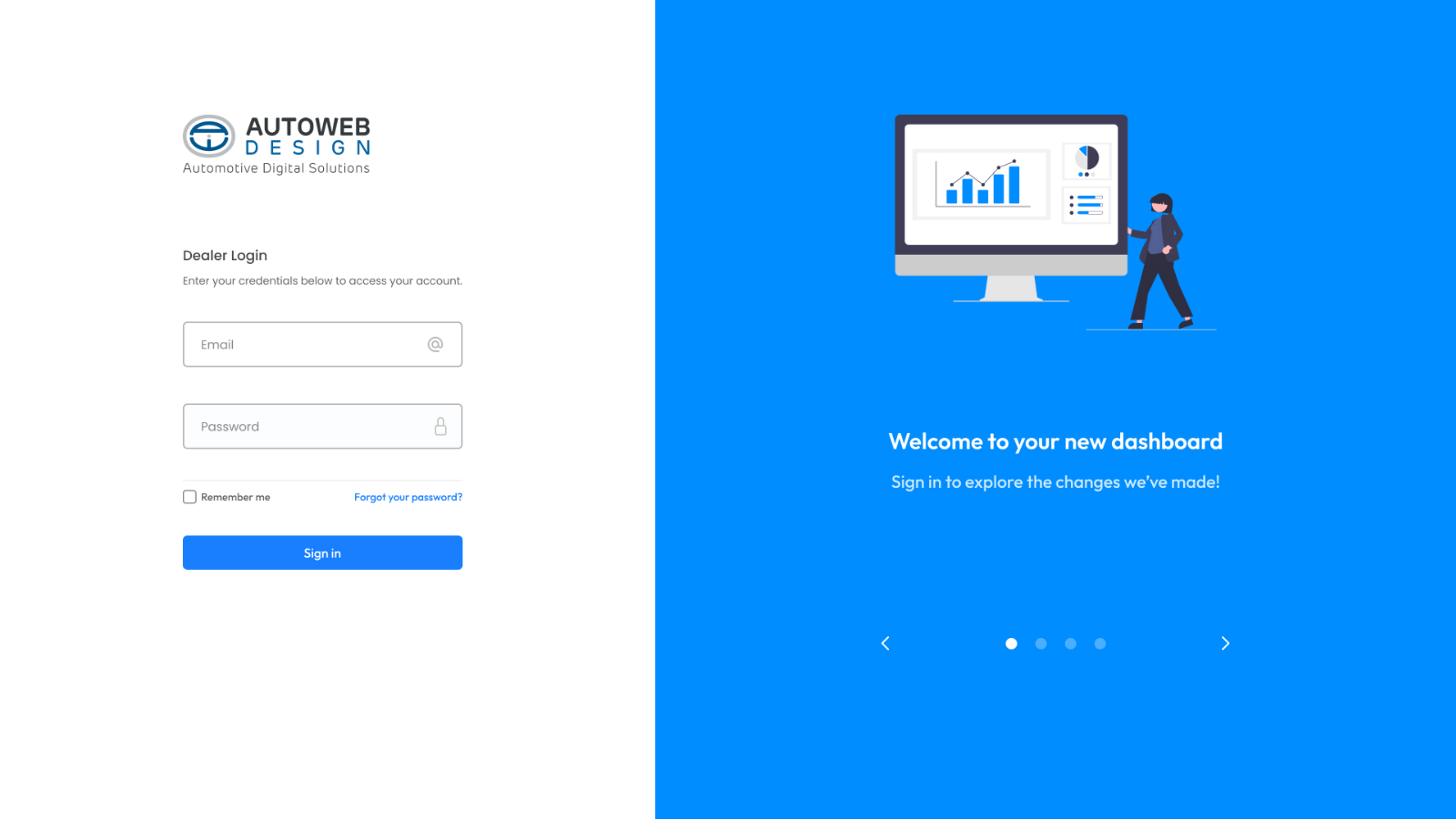





I was brought to the project to focus on usability, aiming to push the project to its MVP stage was crucial for the business. I trusted my instincts and followed a process, from my previous experience working on the legacy platform I could identify strengths and weaknesses and developed a process that would push the project forward. During the project, the process was alternated after completing a cycle, I would constantly reiterate scenarios based on stakeholder's and user feedback.
I have become proficient in implementing Atomic Design principles in my work. This approach allows me to break down complex interfaces into their most basic elements and create clean, scalable solutions that are easy to maintain over time.
In particular, I find that the concept of treating interface components as “atoms” provides a solid foundation for developing responsive layouts and consistent typography across different platforms. From there, I build up to larger constructs such as “molecules,” which consist of multiple atoms working together to serve specific functions.
By applying Atomic Design at every stage of development, I am able to ensure that the final product meets all requirements while remaining flexible enough to evolve alongside changing business needs. Whether I am working collaboratively with stakeholders to define project scope or diving deep into code to fine-tune details, this methodological framework continues to prove itself indispensable.