DFDS is one of Europe's largest ferry and logistics operators, moving freight across 30+ routes between Europe and North Africa.
As volumes of hazardous cargo shipments grew, the manual process of reviewing Dangerous Goods Notes became a bottleneck, slow, error-prone, and heavily reliant on specialist staff.
I was brought in to design an AI-powered document scanning system that would allow DFDS staff to upload shipping documents and receive near-instant validation on whether cargo could legally and safely be transported by sea.
DFDS processes over 350,000 hazardous cargo bookings annually. Each one requires a Dangerous Goods Note, a dense, compliance-heavy document packed with substance identification numbers, technical classifications, and regulatory requirements.
These documents were reviewed entirely by hand. The layout prioritises regulatory completeness over clarity, placing a high cognitive load on staff who must accurately interpret complex information under time pressure.
Mistakes aren't just operational, errors in hazardous goods documentation can put crew, vessels, and the environment at serious risk.The result was a slow, expensive, and error-prone process that couldn't scale with the business.

To fully understand the problem, I needed to immerse myself in a domain I had never worked in before. Dangerous goods logistics is complex — governed by strict international regulations, shaped by years of ingrained working practices, and dependent on a web of interconnected systems across the business.
I conducted user interviews across 7 different business units, speaking with operational staff, stakeholders, and subject matter experts in hazardous cargo compliance.
What became immediately clear was that every business unit had developed its own way of handling the process — no two business units worked the same way.
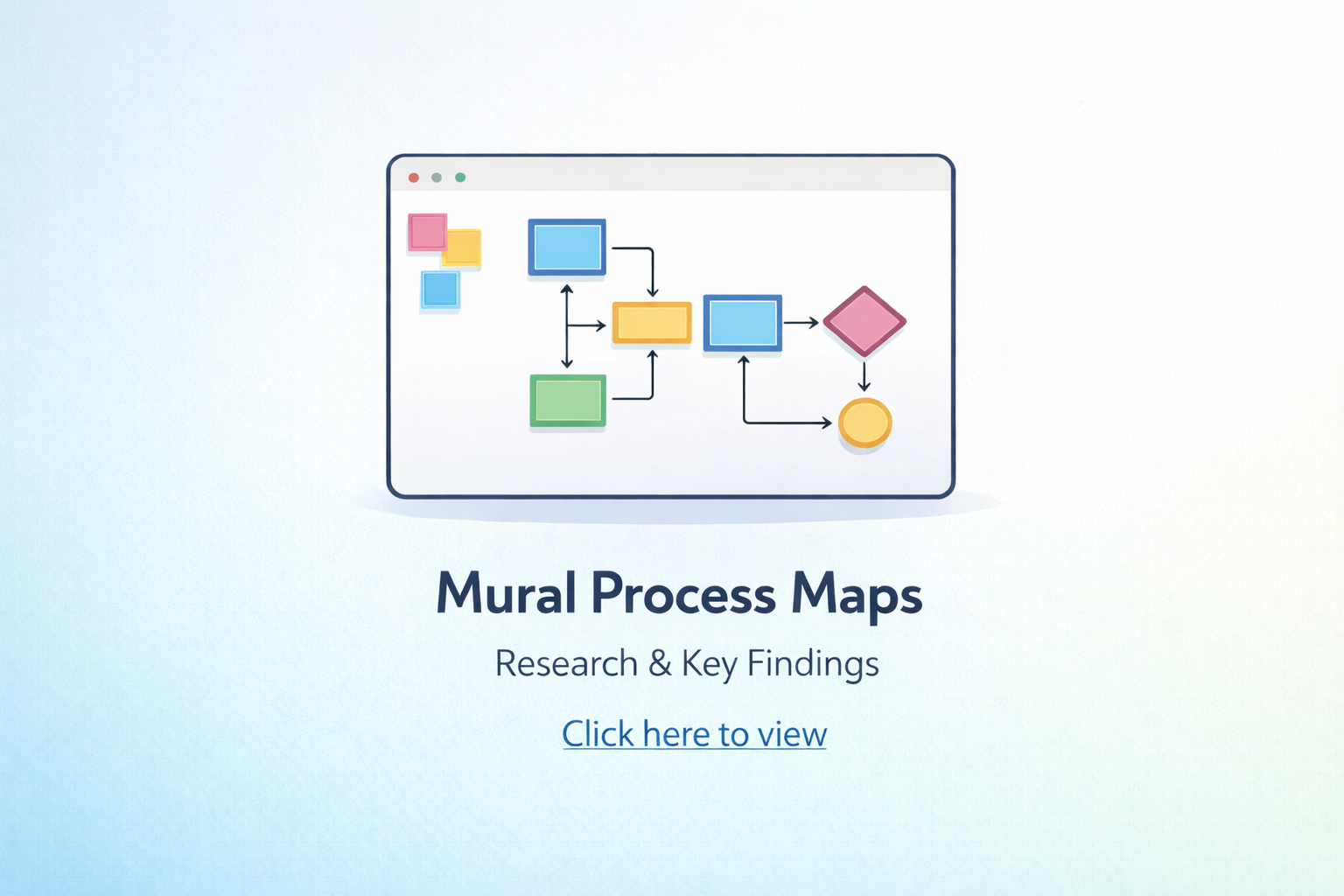
Beyond interviews, I ran process mapping sessions across each business unit, documenting how Dangerous Goods Notes were received, reviewed, and actioned across different transport modes — road, rail, and sea.
Multimodal transport added significant complexity, as each mode carries different regulatory requirements for how hazardous substances are classified, stored, and approved.
This phase took over two months. The output was a journey map for each business unit, which I then consolidated into a single unified flow — one that had to work for everyone.The most important finding from research was this: a scalable solution was only possible if the business agreed to standardise its processes.
Building a system that accommodated every variation would have created more complexity, not less. We took this back to the business, made the case for standardisation, and used it as the foundation for everything that followed.
 Click to explore